
What is Blockchain?
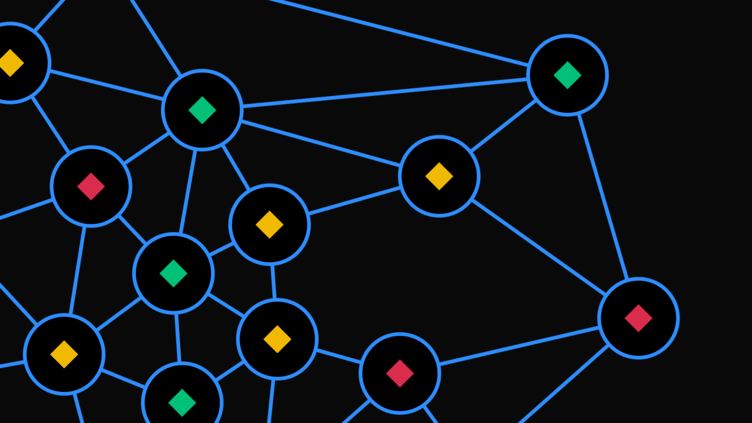
Blockchain is a distributed digital ledger that records transactions in a secure and transparent way. It is a decentralized system that allows multiple parties to have access to the same information without the need for a central authority.
In a blockchain, transactions are recorded in blocks and each block is linked to the previous one in a chain-like structure. Each block is verified and secured using cryptographic techniques, which make it difficult to alter the data contained within the block. Once a block is added to the chain, it cannot be changed without changing all subsequent blocks, making the entire ledger tamper-proof.
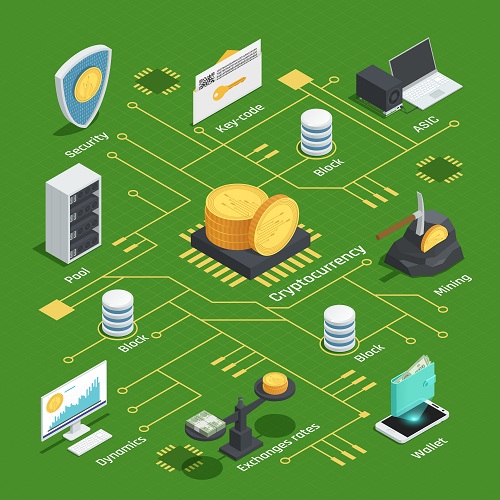
One of the most well-known applications of blockchain technology is cryptocurrency, such as Bitcoin, which uses blockchain to record and verify transactions. However, blockchain has the potential to be used for a wide range of applications beyond just cryptocurrency, including supply chain management, voting systems, and more.
In addition to its use in cryptocurrencies, blockchain technology has several characteristics that make it useful for a variety of applications:
Decentralization: Blockchain is a decentralized technology, meaning that it does not rely on a central authority or intermediary to verify transactions. This makes it more resistant to tampering, censorship, and other forms of corruption.
Security: Transactions in a blockchain are verified and secured using cryptography. This makes it very difficult to alter or forge transactions, ensuring the integrity of the data.
Transparency: The data in a blockchain is visible to all participants, making the system more transparent and allowing for greater accountability.
Efficiency: Because blockchain eliminates the need for intermediaries, transactions can be processed more quickly and at a lower cost.
Smart Contracts: Blockchain can be used to execute smart contracts, which are self-executing contracts with the terms of the agreement between buyer and seller being directly written into lines of code. This eliminates the need for intermediaries such as lawyers and can help streamline the contracting process.
Applications of blockchain technology are wide-ranging and include supply chain management, identity verification, voting systems, real estate, and more. For example, in supply chain management, blockchain can be used to track goods and ensure they have been sourced and transported ethically. In identity verification, blockchain can be used to provide secure, decentralized identity management that is not controlled by any one organization or government.
Here are some more examples of how blockchain technology is being used:
Art: Blockchain can be used to create a tamper-proof record of ownership and provenance for art and other collectibles. By using blockchain, collectors can verify the authenticity and ownership history of a piece of art, and ensure that it is not a forgery.
Agriculture: Blockchain can be used to create a more transparent and efficient food supply chain. By using blockchain, farmers, distributors, and retailers can track the movement of food products, verify their quality and safety, and reduce food waste.
Music: Blockchain can be used to create a more transparent and efficient music industry. By using blockchain, musicians can receive more direct compensation for their work, while also maintaining control over their music.
Aviation: Blockchain can be used to create a more efficient and secure system for managing airline reservations and payments. By using blockchain, airlines can reduce the time and cost of processing reservations, while also improving security and reducing fraud.
Education: Blockchain can be used to create a more secure and decentralized system for verifying educational credentials. By using blockchain, students can create a secure and tamper-proof record of their academic achievements, which can be easily verified by potential employers.
These are just a few examples of how blockchain technology is being used. As the technology continues to evolve, it is likely that we will see even more innovative applications emerge in a wide range of industries.




.jpg)



 English (US)