
What is Bitcoin? About Bitcoin mining... (part 10)
Bitcoin mining is the process of adding new transactions to the Bitcoin blockchain. The Bitcoin blockchain is a public ledger that records all Bitcoin transactions. Miners are responsible for verifying and validating new transactions, and for adding them to the blockchain.
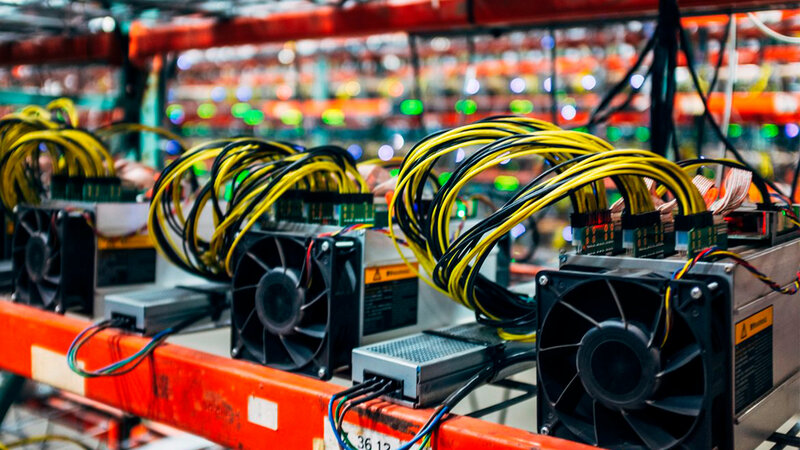
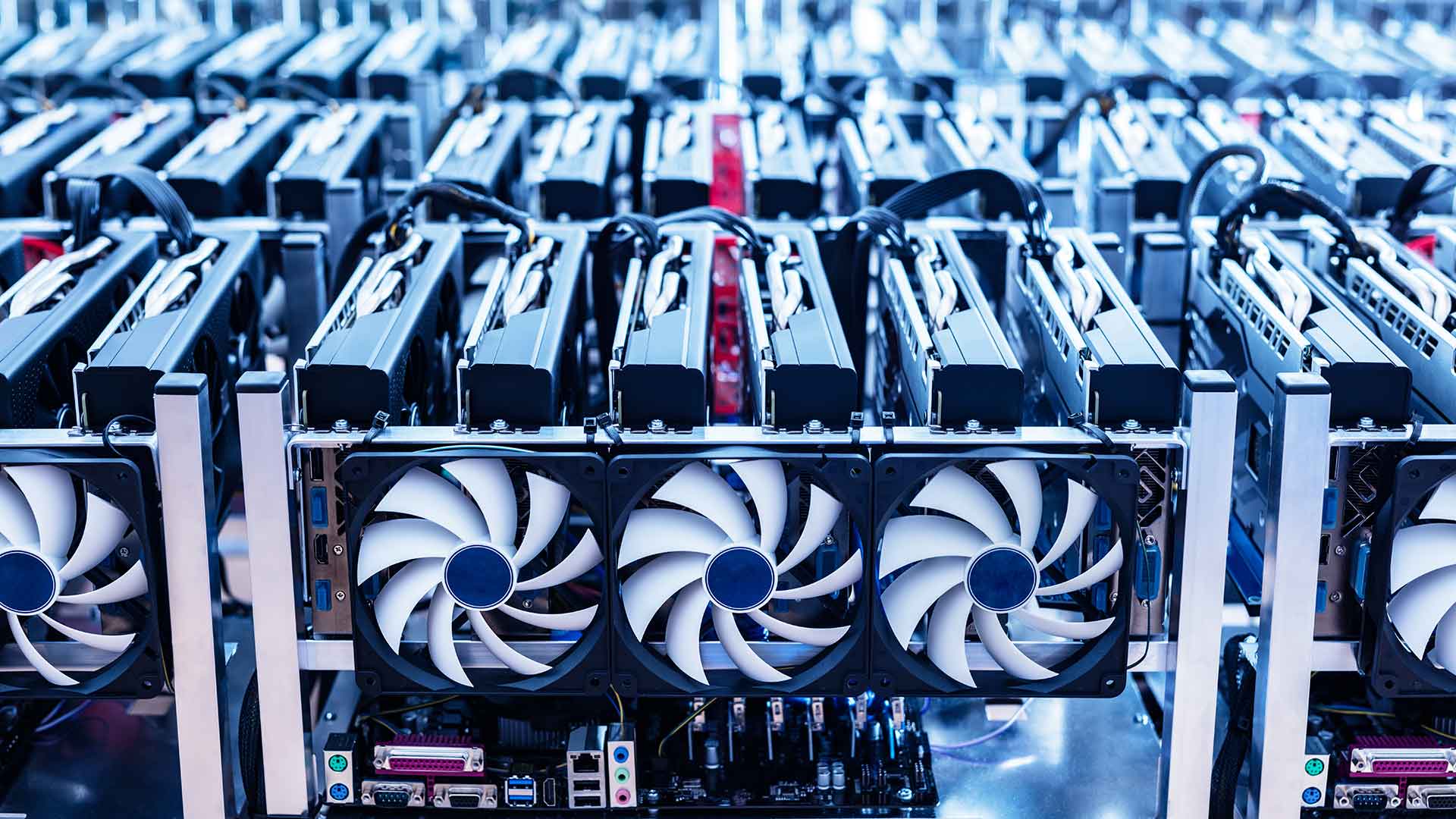
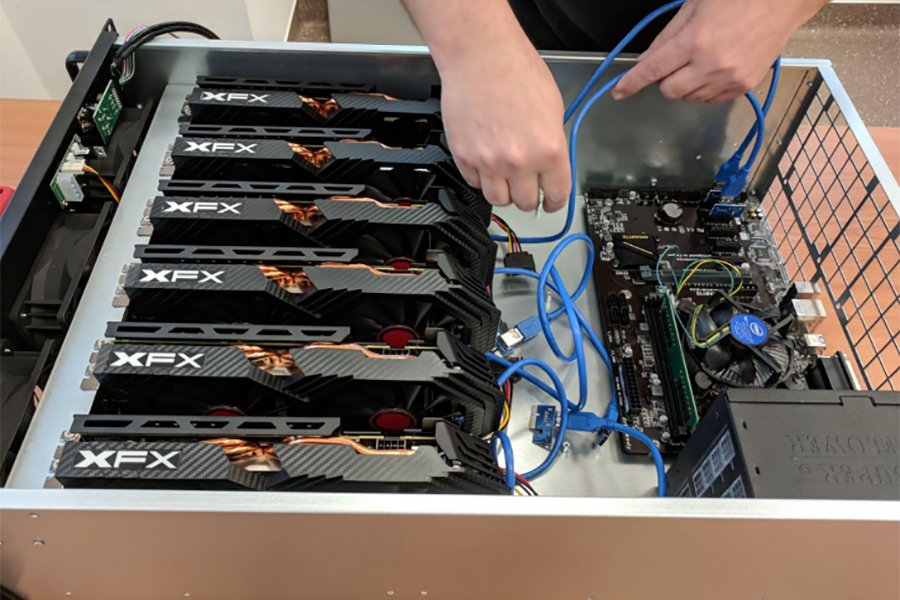
To do this, miners use specialized computer hardware, such as ASICs (Application Specific Integrated Circuits), to perform complex mathematical calculations. These calculations are necessary to solve a mathematical puzzle, known as a "hash," that is required to add a new block of transactions to the blockchain.
The process of mining begins with the selection of a block of unconfirmed transactions. Miners then take this block and apply a mathematical function called a "hash function" to it. This function takes in the data in the block (such as the transactions) and produces a fixed-size output, called a "hash."
The miner's goal is to find a hash that meets certain criteria. Specifically, the hash must have a certain number of leading zeroes. The more leading zeroes a hash has, the more difficult it is to find. The difficulty of the puzzle is adjusted every 2016 blocks (about every two weeks) so that the average time to find a block is about 10 minutes.
When a miner finds a valid hash, they broadcast it to the network. Other miners then verify the hash and, if it is valid, add the block of transactions to the blockchain. The miner who found the valid hash is then rewarded with newly minted bitcoins and any transaction fees associated with the transactions in the block.
The process of mining is also how new bitcoins are created. The reward for finding a valid hash is currently 6.25 bitcoins. Every 210,000 blocks (about four years), the block reward is halved, so the next halving is expected to take place in 2024, when the reward will be 3.125 bitcoins per block.
Bitcoin mining is a competitive process, and the difficulty of the puzzle is adjusted so that the average time to find a block is about 10 minutes. As more miners join the network, the difficulty increases, making it more difficult for an individual miner to find a valid hash. This is why many miners join mining pools, which are groups of miners who combine their computing power to increase their chances of finding a valid hash.
Bitcoin mining also has a significant environmental impact, as the energy consumption required to perform the complex calculations can be quite high. This has led to concerns about the sustainability of Bitcoin mining and the potential for it to contribute to climate change.
In summary, Bitcoin mining is the process of adding new transactions to the Bitcoin blockchain. Miners use specialized computer hardware to perform complex mathematical calculations in order to find a valid hash that meets certain criteria. When a miner finds a valid hash, they broadcast it to the network, other miners verify it and add the block of transactions to the blockchain. The miner who found the valid hash is then rewarded with newly minted bitcoins and any transaction fees associated with the transactions in the block. The process also has environmental impact and is becoming increasingly competitive.
.jpg)
.jpg)







 English (US)