
What is Litecoin? (part 3)
History: Litecoin was created by Charlie Lee, a former Google engineer, in October 2011. It was designed as a lighter version of Bitcoin, with faster transactions and lower fees. Since its creation, Litecoin has established itself as one of the top cryptocurrencies and has become one of the most widely accepted cryptocurrencies by merchants and exchanges.
Decentralized: Like Bitcoin, Litecoin is a decentralized cryptocurrency, which means that it operates independently of central banks or governments. Transactions on the Litecoin network are verified and processed by a network of users, rather than by a single central authority.
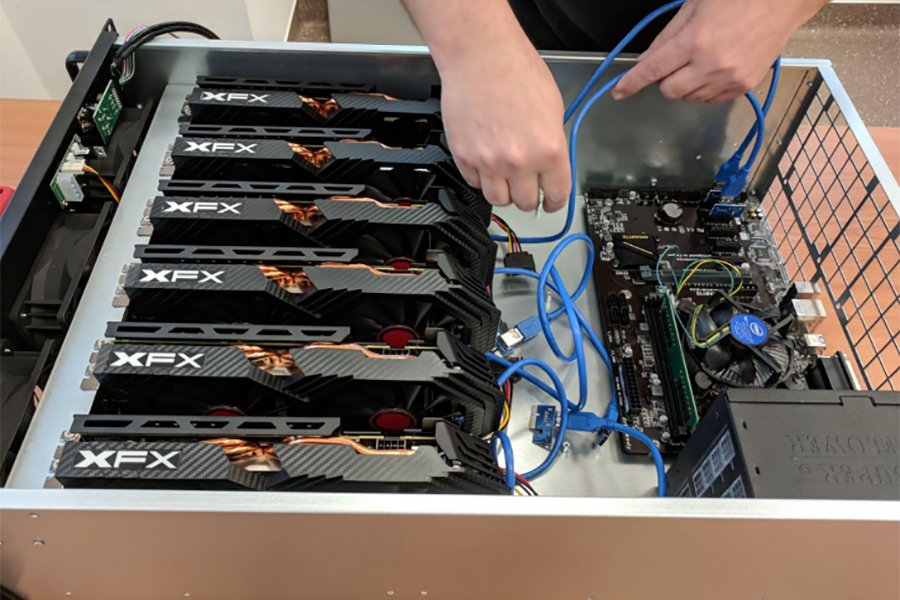
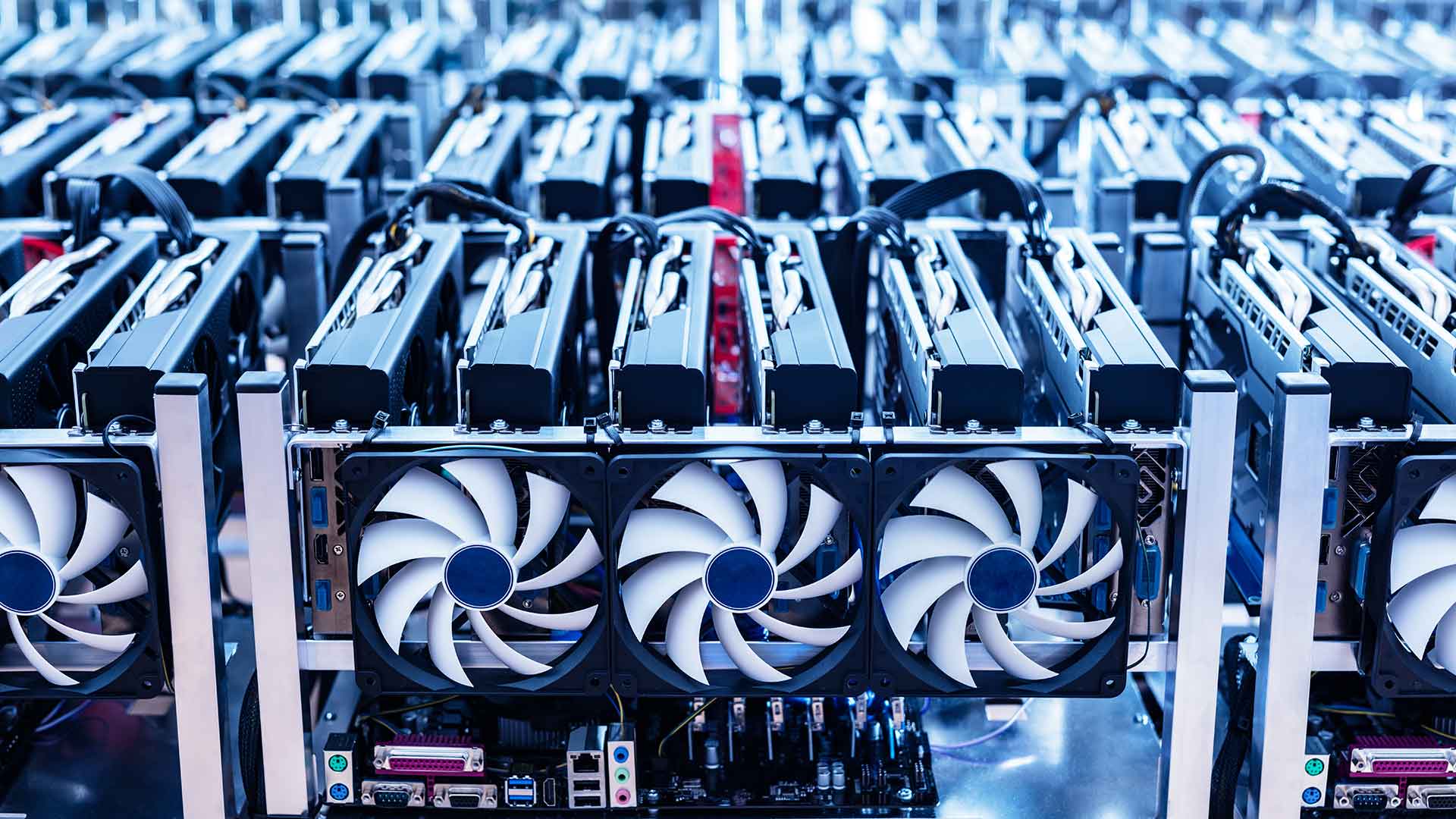
Mining: Litecoin, like Bitcoin, is based on a proof-of-work consensus mechanism. This means that new coins are generated through the process of mining, which involves solving complex mathematical problems to validate transactions and add blocks to the blockchain. Miners are incentivized with newly minted coins for their efforts, which helps to secure the network.
Trading: Litecoin can be bought and sold on a variety of cryptocurrency exchanges, including some of the largest exchanges such as Binance, Coinbase, and Kraken. It can also be stored in a variety of wallet types, including software wallets, hardware wallets, and paper wallets.
Adoption: Litecoin has been widely adopted by merchants and consumers, and it is accepted as a form of payment by a growing number of businesses. This increased adoption has helped to increase the demand for Litecoin and has contributed to its overall stability and growth as a cryptocurrency.
These are just a few additional details about Litecoin. As one of the oldest and most established cryptocurrencies, Litecoin has a strong track record and a solid reputation in the cryptocurrency community, which makes it a popular choice for both consumers and investors.

.png)


 English (US)