
What is Bitcoin? About Bitcoin mining... (part 9)
Bitcoin mining is the process of adding transactions to the public ledger of the Bitcoin network, known as the blockchain, and is used to confirm and validate transactions on the network. The process is carried out by specialized computer hardware, known as miners, that compete to solve complex mathematical equations. These equations, known as proof-of-work (PoW), are used to add new blocks to the blockchain and are designed to be difficult to solve but easy to verify. Miners who successfully solve a PoW equation are rewarded with newly minted Bitcoins and transaction fees.
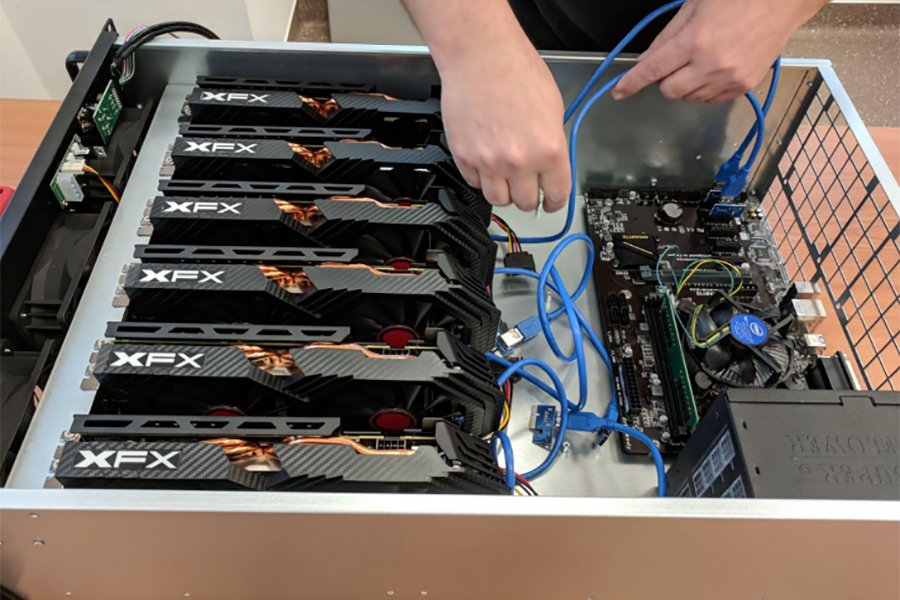
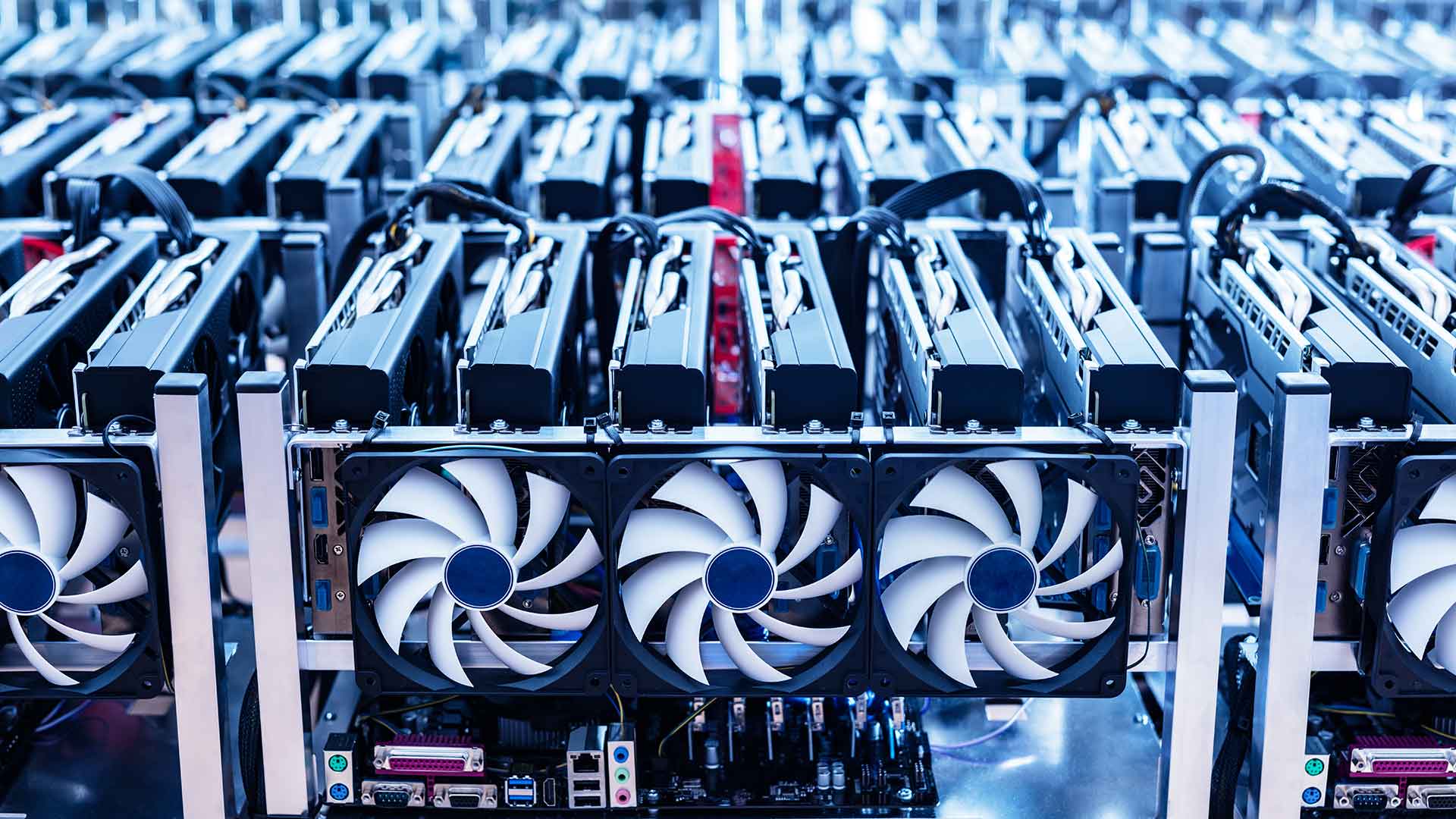
The mining process begins with a transaction being broadcast to the Bitcoin network. Transactions are grouped together into a block, which is then sent to the miners for validation. Miners use specialized hardware, typically including a central processing unit (CPU), a graphics processing unit (GPU), or an application-specific integrated circuit (ASIC), to perform complex calculations in order to solve the PoW equations. Once a miner successfully solves the PoW equation, the block is added to the blockchain and the miner is rewarded with new Bitcoins and transaction fees.
The number of Bitcoins rewarded for each block decreases over time, as per the design of the Bitcoin protocol. This decrease in the rate of new Bitcoins being mined is built into the Bitcoin protocol to control inflation and mimic the scarcity of precious metals. The reward for mining a block is currently 6.25 Bitcoins and this reward is halved every 210,000 blocks mined. The next halving event is expected to occur in the year 2024.
The difficulty of the PoW equations is adjusted every 2016 blocks, or approximately every two weeks, to maintain a consistent rate of block creation. This is because as more miners join the network and the computational power of the network increases, the difficulty of the PoW equations increases to compensate. This ensures that blocks are added to the blockchain at a consistent rate of one every 10 minutes, regardless of the number of miners or the computational power of the network.
As the demand for Bitcoin increases, so does the difficulty of the PoW equations that need to be solved by the miners. This means that more powerful and specialized equipment is needed to mine Bitcoin profitably. This has led to the centralization of mining, with large mining pools controlling a significant portion of the network's computational power. Some of the largest mining pools are located in China, where electricity costs are relatively low.
The energy consumption associated with Bitcoin mining is a topic of concern, as it requires a significant amount of computational power, and therefore electricity. Some estimates suggest that the energy consumption of the Bitcoin network is comparable to that of small countries. However, many experts believe that this problem can be addressed with advances in energy-efficient mining technology and the increased adoption of renewable energy sources.
Bitcoin mining is a crucial component of the Bitcoin network that helps to secure and validate transactions, while also creating new Bitcoins. It's a complex process that requires specialized equipment and a significant amount of computational power, but it is essential for the functioning and security of the Bitcoin network.
In addition to the traditional way of mining using specialized hardware, there are other ways to mine Bitcoin such as cloud mining and browser mining.
.jpg)
.jpg)








 English (US)