
What is Bitcoin? (part 5)
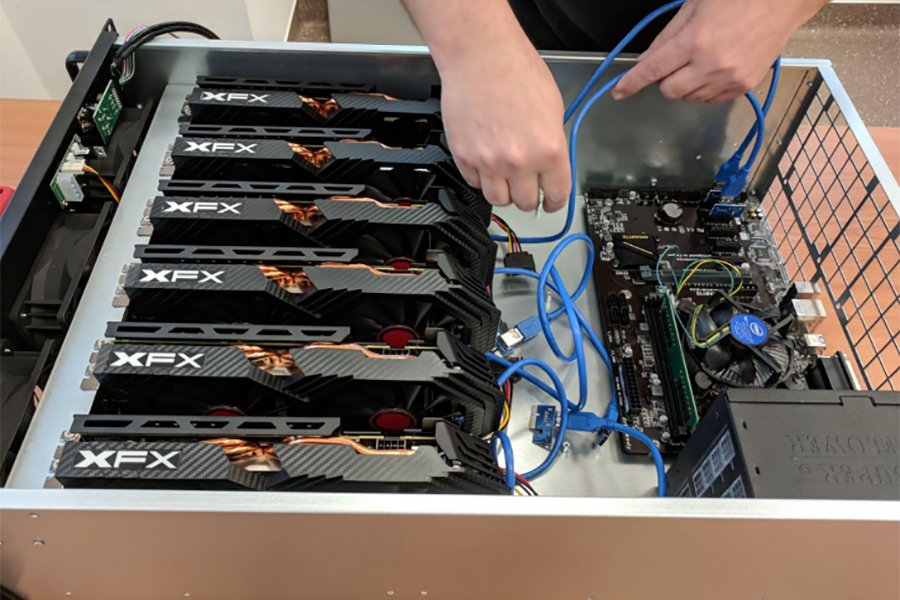
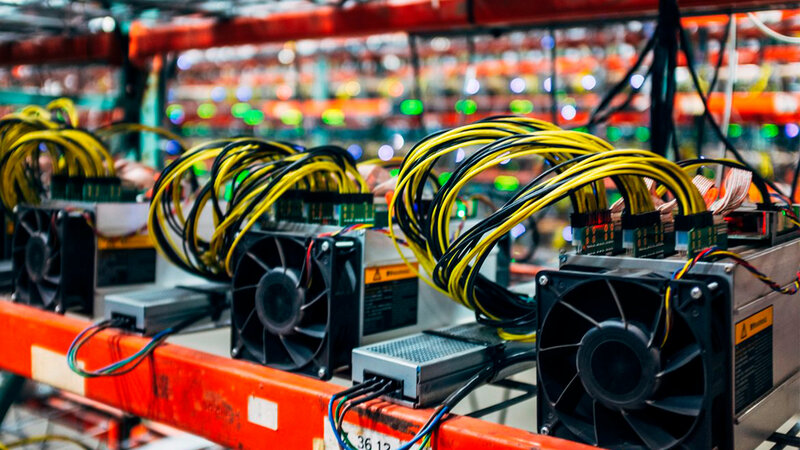
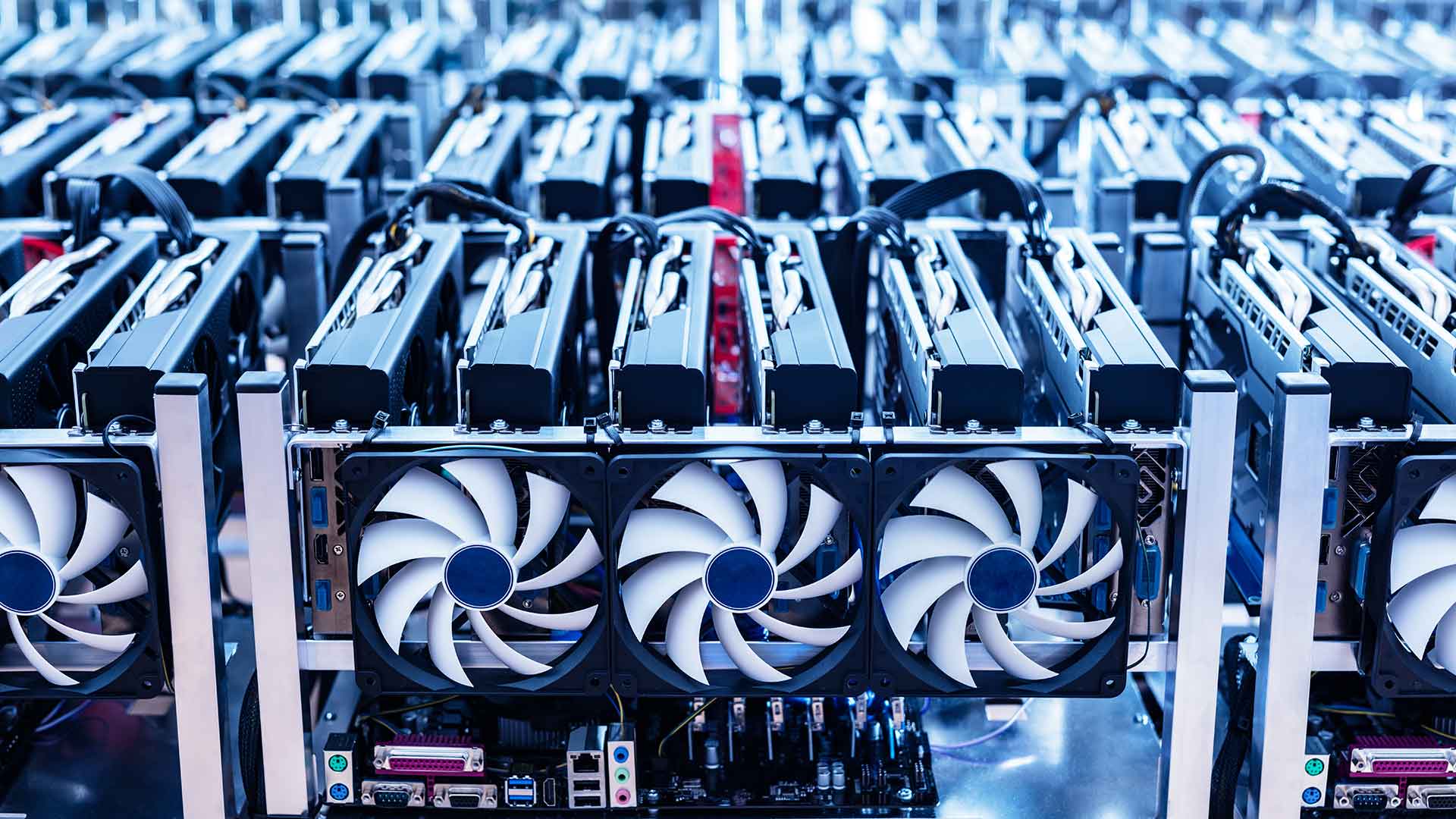
Bitcoin transactions are processed and verified by a decentralized network of computers, called nodes, that use complex algorithms to confirm the validity of each transaction. This process is called mining, and the users who contribute their computing power to this process are called miners.
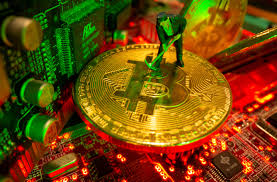
When a new transaction is made, it is broadcast to the network and grouped with others into a block. Miners then compete to solve a complex mathematical puzzle that, when solved, validates the block and its transactions. The miner who solves the puzzle first gets to add the block to the blockchain and is rewarded with newly minted Bitcoins. This process of creating new Bitcoins is called mining, and it also serves to incentivize users to participate in the network and maintain its security.
As far as usage, Bitcoin can be used to purchase goods and services online, or it can be converted into traditional currency and withdrawn from an ATM. Some merchants and service providers have begun accepting Bitcoin as a form of payment, and it can also be traded on various online exchanges for other currencies.
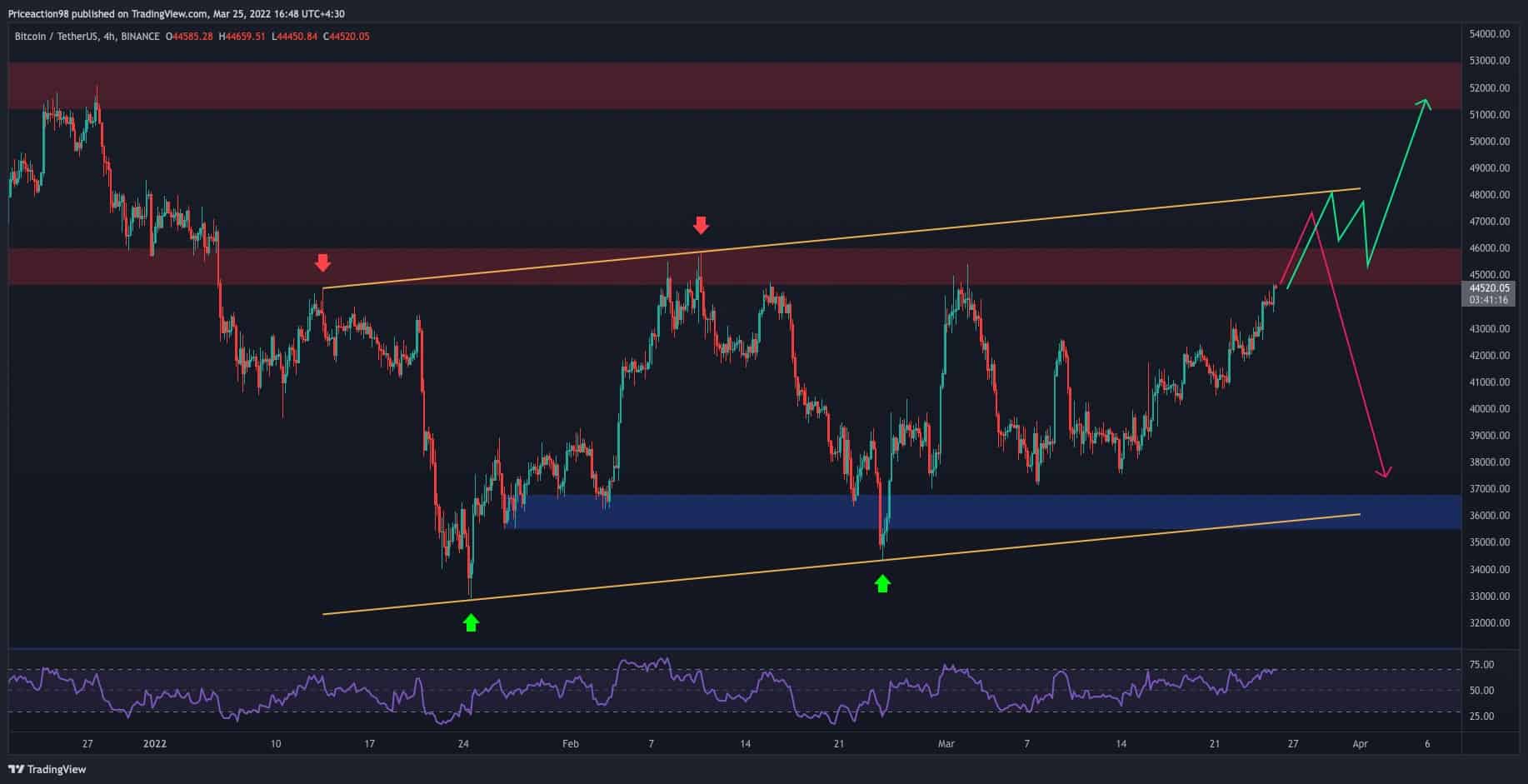
Bitcoin's value is determined by supply and demand on the open market, and it can be quite volatile. This means that the value of a Bitcoin can change rapidly and unpredictably. Many people see Bitcoin as a form of investment and have made significant profits from buying it at a low price and selling it at a high price. However, it's important to remember that the value of any investment can go down as well as up and this is especially true for highly volatile assets like Bitcoin, so it's essential to do your research and be prepared for the risk before investing in Bitcoin or any other cryptocurrency.
.jpg)
.jpg)



 English (US)