
Understanding Litecoin: A Beginner's Guide
SectionSubsection
| 1. Introduction | |
| 2. What is Litecoin? | a. Origins and Background |
| b. How Litecoin Works | |
| 3. Litecoin vs. Bitcoin | a. Comparison of Features |
| b. Market Performance | |
| 4. Advantages of Litecoin | a. Speed and Transaction Costs |
| b. SegWit and Lightning Network | |
| 5. Litecoin Mining | a. Proof of Work Algorithm |
| b. Mining Pools | |
| 6. Litecoin Wallets | a. Types of Wallets |
| b. Security Measures | |
| 7. Litecoin Price | a. Historical Performance |
| b. Factors Influencing Price | |
| 8. Litecoin Adoption | a. Merchants Accepting Litecoin |
| b. Institutional Interest | |
| 9. Future of Litecoin | a. Development Roadmap |
| b. Speculation and Predictions | |
| 10. Conclusion |
Litecoin: A Comprehensive Guide
1. Introduction
Cryptocurrencies have revolutionized the way we perceive and transact value in the digital age. Among the myriad of cryptocurrencies available, Litecoin stands out as a notable player. But what exactly is Litecoin, and how does it differ from its more famous counterpart, Bitcoin?
2. What is Litecoin?
a. Origins and Background
Litecoin, often referred to as "silver to Bitcoin's gold," was created by Charlie Lee, a former Google engineer, in October 2011. Lee aimed to address some of Bitcoin's perceived shortcomings, such as transaction speed and scalability, by introducing a new cryptocurrency based on a different blockchain protocol.
b. How Litecoin Works
Litecoin operates on a peer-to-peer network that enables instant, near-zero cost payments to anyone in the world. Similar to Bitcoin, Litecoin utilizes blockchain technology but with a few key differences, including a faster block generation time and a different hashing algorithm.
3. Litecoin vs. Bitcoin
a. Comparison of Features
While Litecoin shares many similarities with Bitcoin, including decentralized nature and limited supply, there are distinct differences between the two. Litecoin's block generation time is approximately 2.5 minutes, four times faster than Bitcoin, allowing for quicker transaction confirmation.
b. Market Performance
Despite being often overshadowed by Bitcoin, Litecoin has maintained a significant presence in the cryptocurrency market. It has consistently ranked among the top cryptocurrencies by market capitalization and has demonstrated resilience and stability over the years.
4. Advantages of Litecoin
a. Speed and Transaction Costs
One of Litecoin's primary advantages is its speed and lower transaction costs compared to Bitcoin. The faster block generation time allows for quicker confirmations, making Litecoin suitable for everyday transactions.
b. SegWit and Lightning Network
Litecoin was one of the first cryptocurrencies to adopt Segregated Witness (SegWit), a protocol upgrade that enhances transaction capacity and security. Additionally, Litecoin has implemented the Lightning Network, a layer-two scaling solution that enables faster and cheaper transactions.
5. Litecoin Mining
a. Proof of Work Algorithm
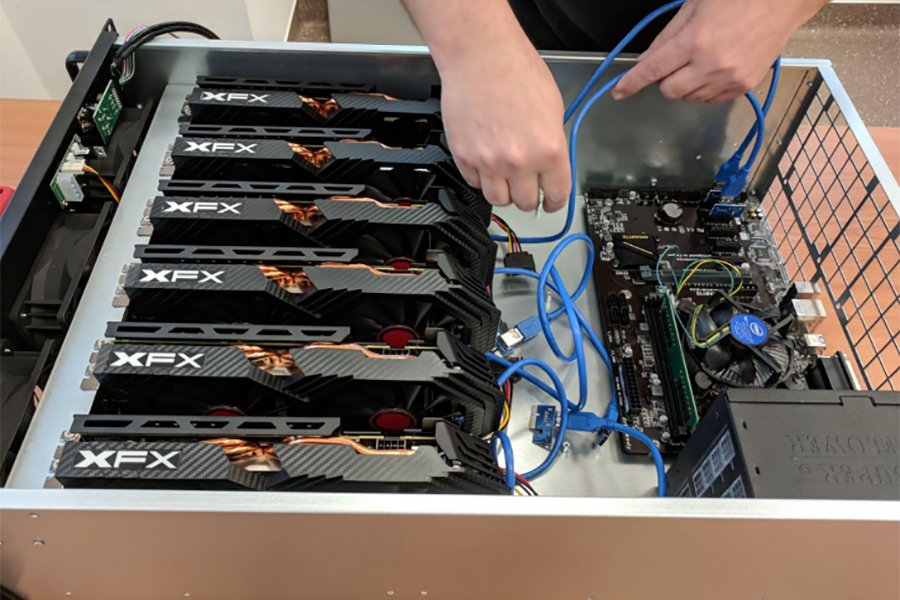
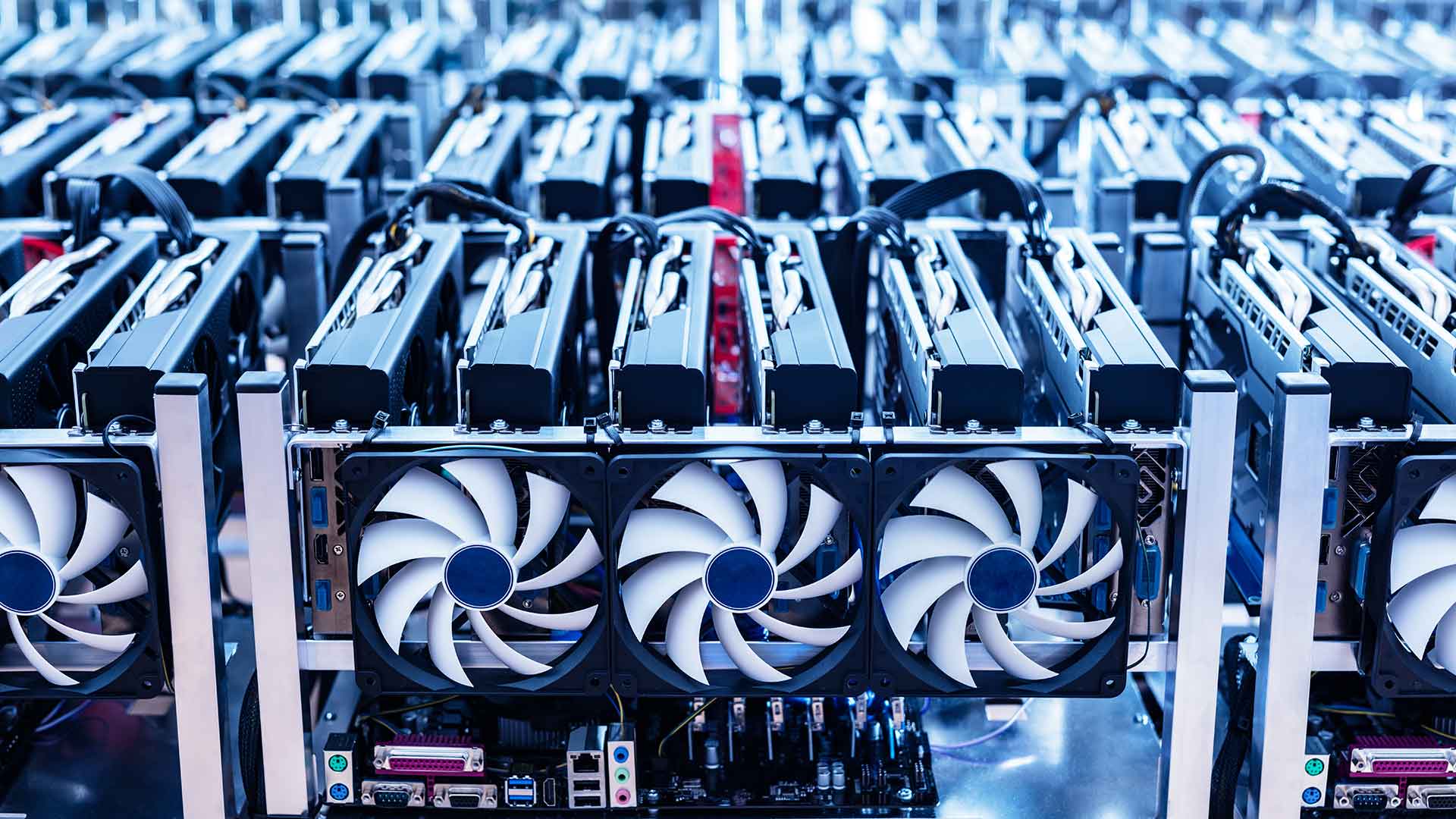
Litecoin mining relies on a proof-of-work algorithm called Scrypt, which is ASIC-resistant and favors high-speed RAM over processing power. This algorithm aims to promote a more decentralized mining ecosystem by allowing individuals to mine using consumer-grade hardware.
b. Mining Pools
Like Bitcoin, Litecoin mining has evolved into a competitive industry dominated by mining pools. Mining pools allow individual miners to combine their computational resources and increase their chances of successfully mining a block and receiving rewards.
6. Litecoin Wallets
a. Types of Wallets
There are various types of Litecoin wallets available, including desktop wallets, mobile wallets, web wallets, and hardware wallets. Each type offers different levels of security and convenience, catering to the diverse needs of users.
b. Security Measures
Security is paramount when it comes to storing cryptocurrencies. Users can enhance the security of their Litecoin wallets by implementing measures such as two-factor authentication, encryption, and offline storage.
7. Litecoin Price
a. Historical Performance
Litecoin has experienced significant price fluctuations since its inception, mirroring the volatility inherent in the cryptocurrency market. However, it has also witnessed substantial growth and has proven to be a lucrative investment for many early adopters.
b. Factors Influencing Price
Several factors can influence the price of Litecoin, including market demand, technological developments, regulatory developments, and macroeconomic trends. Keeping abreast of these factors is crucial for investors and traders.
8. Litecoin Adoption
a. Merchants Accepting Litecoin
Litecoin's adoption as a means of payment has been steadily growing, with an increasing number of merchants and businesses accepting it as a form of payment. This trend underscores the growing utility and acceptance of Litecoin in the mainstream economy.
b. Institutional Interest
Institutional interest in Litecoin has also been on the rise, with some hedge funds and investment firms including Litecoin in their portfolios. This institutional endorsement further validates Litecoin as a legitimate asset class.
9. Future of Litecoin
a. Development Roadmap
The future development of Litecoin is guided by a comprehensive roadmap that outlines upcoming features and improvements. Key focus areas include scalability, privacy, and interoperability with other blockchain networks.
b. Speculation and Predictions
While the future trajectory of any cryptocurrency is inherently uncertain, many analysts and enthusiasts remain optimistic about Litecoin's prospects. Factors such as technological advancements, market adoption, and regulatory clarity will likely play pivotal roles in shaping Litecoin's future.
10. Conclusion
In conclusion, Litecoin continues to occupy a prominent position in the cryptocurrency landscape, offering fast and affordable transactions, robust security features, and a vibrant community. As the digital economy evolves, Litecoin is poised to play an integral role in shaping the future of finance.
FAQs (Frequently Asked Questions)
Is Litecoin a good investment? While investing in Litecoin carries inherent risks due to market volatility, many investors view it as a potential long-term investment opportunity, considering its utility and adoption.
How is Litecoin different from Bitcoin? Litecoin differs from Bitcoin in several aspects, including block generation time, hashing algorithm, and transaction speed. These differences contribute to Litecoin's unique value proposition.
Can I mine Litecoin at home? Yes, Litecoin mining can be done at home using consumer-grade hardware. However, profitability may vary depending on factors such as electricity costs and mining difficulty.
What is SegWit, and how does it benefit Litecoin? Segregated Witness (SegWit) is a protocol upgrade that enhances transaction capacity and security by separating transaction signatures from transaction data. SegWit adoption in Litecoin has led to improvements in scalability and transaction throughput.
Where can I buy Litecoin? Litecoin can be purchased on various cryptocurrency exchanges, including Coinbase, Binance, and Kraken. Users can buy Litecoin using fiat currency or exchange it for other cryptocurrencies.
.png)

 English (US)